How to Choose the Best Bitcoin Casino in Canada 2026: A Complete Guide to Safe, Licensed, and Rewarding Crypto Gambling Sites
How to Choose the Best Bitcoin Casino in Canada 2026: A Complete Guide to Safe, Licensed, and Rewarding Crypto Gambling Sites

I've spent a good chunk of the last few years testing crypto gambling platforms, trading notes with other Canadian players in forums, and — yeah, I'll admit it — getting burned a couple of times before I figured out what actually separates a trustworthy site from a flashy trap. If you're reading this in 2026, you're walking into a market that's matured a lot. It's also gotten more crowded, though, with operators who know exactly how to make a mediocre platform look amazing on the surface. So let me walk you through what I've picked up along the way.
What Makes a Bitcoin Casino Different from Traditional Online Casinos?
At its core, a Bitcoin casino lets you deposit, play, and withdraw using cryptocurrency instead of Canadian dollars. Sounds like a small distinction on paper. But once you've actually used one, you notice how different the whole thing feels. Transactions settle on the blockchain, so there's no more sitting around for three to five business days while your bank 'processes' something. Deposits usually confirm within minutes. Withdrawals? Often land in your wallet the same day — sometimes faster than that.
There's also a transparency angle fiat casinos just can't match. Blockchain transactions get recorded publicly, which makes it harder for operators to quietly mess with payout systems without leaving a trace somewhere. Pair that with provably fair technology — a cryptographic method that lets you verify a game's outcome wasn't rigged — and you end up with a gambling environment that's just more accountable than most traditional sites, by design.
Key Advantages for Canadian Players
For Canadians specifically, a few perks stand out right away. First up: transaction fees. Traditional e-wallets and credit card deposits often come loaded with currency conversion charges or processing fees that quietly eat into your bankroll. Crypto transactions, especially on networks like Litecoin or certain Layer-2 solutions, cost pennies by comparison. Pennies. Not a typo.
- Near-instant deposits and faster withdrawal turnaround compared to Interac or wire transfers
- Lower overall transaction costs, especially on high-volume deposits
- Provably fair algorithms that let you independently verify game fairness
- Greater privacy, since you're not tying every transaction directly to a bank statement
None of this means crypto gambling is risk-free — far from it, honestly. It just means the mechanics work differently, and understanding that difference is step one toward playing smart.
Is Bitcoin Gambling Legal in Canada in 2026?
This question comes up constantly, and the honest answer is: it's complicated, but generally permissible. Canada doesn't have one single federal framework governing online gambling the way some countries do. Instead, provinces regulate things within their own borders, and most Canadians end up accessing offshore-licensed platforms operating legally from jurisdictions like Curacao, Malta, or Kahnawake.
As a player, you're not breaking any laws by using these offshore platforms — provided the casino itself holds a legitimate license. What matters most is that the operator is licensed somewhere reputable, and that you're of legal gambling age in your province (typically 18 or 19, depending on where you live). Ontario runs its own regulated market through iGaming Ontario, but most crypto-specific casinos still operate offshore, since few regulated Ontario sites currently accept cryptocurrency directly. Maybe that changes eventually. Hasn't yet, though.
Essential Criteria for Identifying the Best Bitcoin Casino
Once you've accepted that crypto gambling is legal and viable in Canada, the real work begins: figuring out which platform actually deserves your deposit. I've built a mental checklist over time — through trial, error, and a handful of sites I'd rather not name — and it starts with licensing.
Licensing, Security, and Fair Play Certifications
Every legitimate Bitcoin casino should display its licensing info somewhere visible, usually tucked in the footer. Curacao eGaming licenses are the most common among crypto-focused sites, though Malta Gaming Authority licenses tend to signal a slightly more rigorous vetting process. No license number anywhere on the page? That's an immediate red flag. Walk away.
Beyond licensing, check for SSL encryption (the little padlock icon in your browser bar) and look for third-party fairness audits from companies like iTech Labs. Provably fair games should let you click a 'verify' button after each round, showing you the seed values used to generate the outcome. If a casino can't explain how its fairness system works, it probably doesn't have one worth trusting in the first place.
Game Variety, Software Providers, and User Experience
I always check who's actually supplying the games before anything else — it's one of those habits you pick up after enough disappointments. Established providers like Pragmatic Play, Evolution Gaming, and NetEnt have reputations to protect, so seeing their names on a casino's platform is a decent trust signal. A good Bitcoin casino should offer a healthy mix of slots, live dealer tables, and classic table games like blackjack and roulette — plus crypto-native options like dice or crash games that you won't typically find anywhere on fiat sites.
User experience matters more than people give it credit for, honestly. If the site's clunky on mobile, has broken links, or makes it a chore to find basic info like withdrawal limits, that's usually a sign the operator cut corners somewhere else too. It rarely stops at just the UI.
Comparing Bonuses, Payment Options, and Withdrawal Speed
This is where things get genuinely interesting — and where a lot of players get tricked by shiny numbers. A 300% welcome bonus sounds incredible right up until you read the fine print and realize you need to wager it 50 times over before withdrawing a single cent.
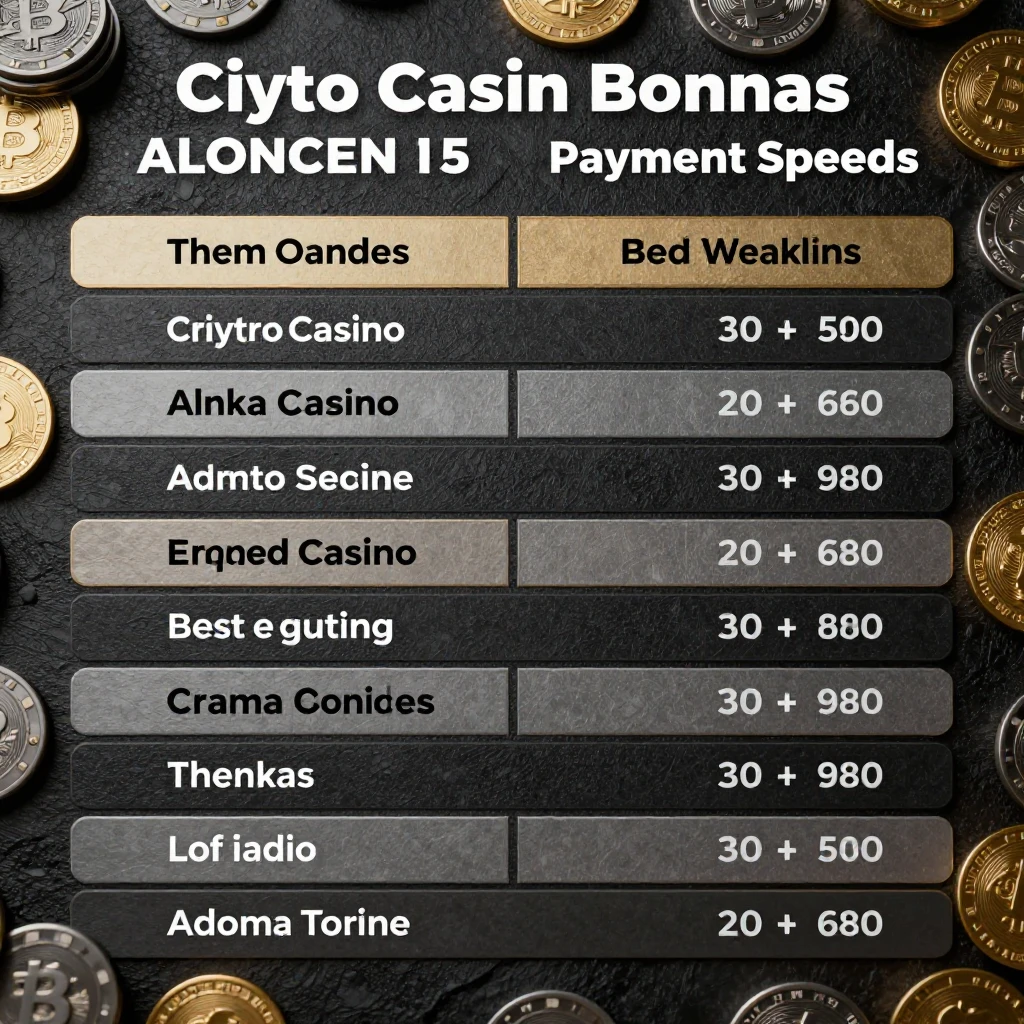
Supported cryptocurrencies matter too. The strongest platforms accept Bitcoin, Ethereum, and stablecoins like USDT, giving you flexibility depending on which coin you're already holding. Minimum deposits vary wildly — anywhere from $10 CAD equivalent to $50 or more on the premium sites.
Comparing dozens of platforms manually is genuinely exhausting. I'd be lying if I said I enjoyed it. So I've leaned on curated resources that compile reviews, safety checklists, and side-by-side comparisons built specifically for Canadian players. Sites dedicated to this kind of research can help you quickly identify the best bitcoin casino for your specific needs — whether that's fast withdrawals, generous bonuses, or a particular game library — without having to sign up for ten different platforms just to compare terms yourself.
Understanding Wagering Requirements and Hidden Terms
Always read the bonus terms before claiming anything, no exceptions. Look specifically for the wagering multiplier (ideally under 35x), maximum bet limits while a bonus is active, and whether certain games get excluded from contributing to your playthrough. Some casinos also cap how much you can withdraw from bonus winnings — which can be a nasty surprise if you hit a big win expecting to cash it all out at once.
Red Flags and Common Mistakes to Avoid When Choosing a Crypto Casino
I've made some of these mistakes myself early on, so let me save you the trouble. Unlicensed operators are the biggest danger here — no license means no accountability if something goes sideways. Unrealistic bonus promises, like guaranteed daily profits or 'risk-free' betting claims, are almost always marketing fluff designed to lure in inexperienced players.
- No visible licensing information or vague 'we're regulated' claims without proof
- Customer support that's unreachable or only responds via generic bots
- Withdrawal processes that suddenly require extra 'verification' right after you've won big
- Terms and conditions buried in confusing legal jargon or constantly changing
If a platform feels like it's hiding something, trust that instinct. There are plenty of transparent, well-run alternatives out there — no reason to settle for the sketchy ones.
Responsible Gambling Practices for Crypto Players
Crypto gambling's speed and privacy can be a double-edged sword. It's easy to lose track of how much you've actually spent when transactions happen that fast — I've caught myself doing exactly that more than once. I'd strongly recommend setting deposit limits before you start playing, not after you've already lost more than you planned to.
Most reputable casinos offer self-exclusion tools and session time reminders. Canadian organizations like the Centre for Addiction and Mental Health (CAMH) and the Responsible Gambling Council offer free resources if gambling starts feeling less like entertainment and more like a compulsion. There's no shame in reaching out. Recognizing the signs early is the smartest move you can make as a player — full stop.
Final Checklist Before You Sign Up
Before depositing a single satoshi, run through this quick mental checklist:
- Verify the casino holds a legitimate license (Curacao, Malta, or similar)
- Confirm SSL encryption and provably fair game verification
- Check which cryptocurrencies are supported and minimum deposit amounts
- Read the full bonus terms, including wagering requirements and withdrawal caps
- Test customer support responsiveness before you need them for something urgent
- Set your own deposit and loss limits before you start playing
Choosing the right platform doesn't have to be complicated once you know what to look for. Take your time, do the research, and treat crypto gambling as entertainment rather than an income strategy. That mindset alone will keep you ahead of most players in 2026's crowded market.